Fence repair in Cleveland for leaning posts, broken rails and gates that drag
Most fences in Greater Cleveland do not fail all at once. One post rots at the soil line, the section beside it starts to lean, a gate that used to swing freely begins scraping the walk, and then a January gust off Lake Erie lays a whole panel flat. A lot of that damage is fixable for far less effort than a full tear-out, as long as the real cause gets fixed and not just the symptom. This page covers the common ways fences break down in Cuyahoga County, what a sound repair looks like for each, and how to tell when patching has stopped making sense. Photos of the damage are the best starting point; the contact page takes them.
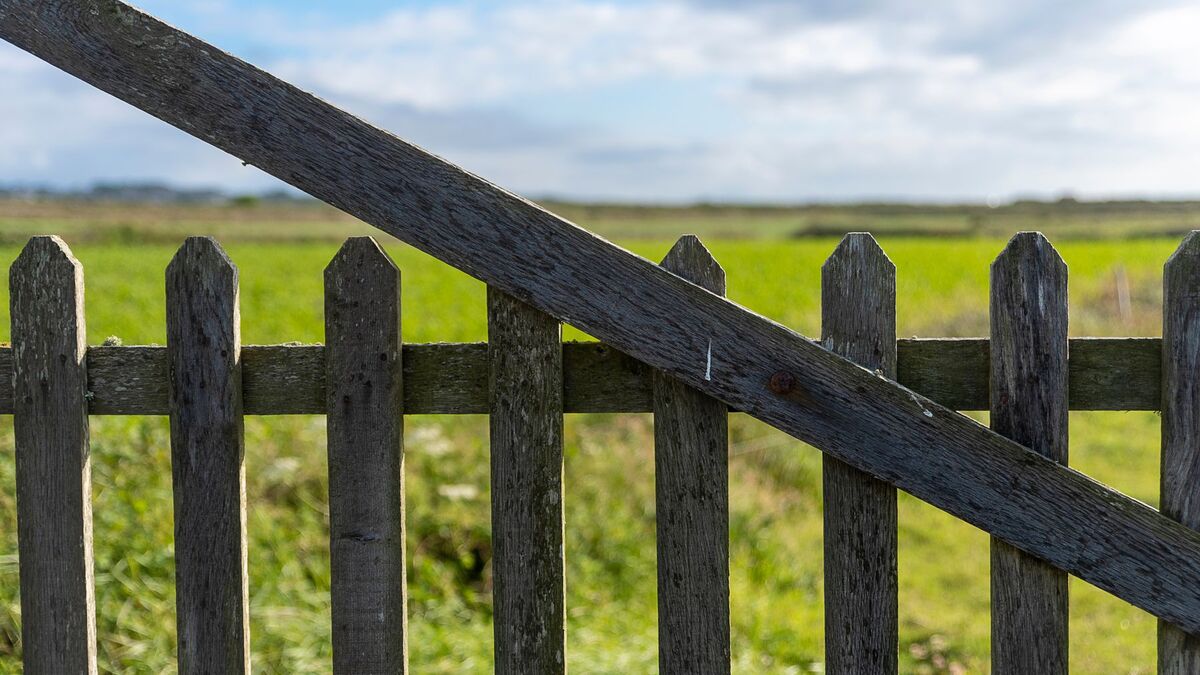
Why fences break down faster in Northeast Ohio
Three local forces do most of the damage. Heavy clay holds water against posts for days after every rain. Repeated freeze-thaw cycles push and pull on anything set in that wet ground. And wind coming across Lake Erie loads solid privacy fences like sails. Add drifting lake-effect snow and road salt splashed onto front-yard sections, and a fence can look tired here sooner than it would elsewhere.
Repair starts with reading which force did the work. A post that snapped at grade is a rot problem. A post that rose two inches and tilted is a frost problem. A section leaning away from the wind on sound posts may be a footing or post-size problem. Fix the wrong cause and the same failure is back next year.
Rot at the ground line on wood posts
The few inches of a wood post just above and below the soil surface are where decay starts, because that zone stays damp and gets air. A post can look solid on top while the core at grade has gone soft. Push a screwdriver into the post right at the dirt: if it sinks easily, the post is compromised even if the fence still stands.
Posts set in a concrete cup that holds water rot fastest, as do posts whose collar was finished flat or below grade. The fix is rarely a patch. Either a steel post mender is driven alongside a post that is still sound above grade, or the post is pulled and replaced, ideally with a ground-contact rated post set so water drains away. Rot tends to spread along a line, so a careful repair checks every post, not just the one that fell.
Frost heave: posts that rise and tilt every winter
When wet clay freezes, it expands and grabs whatever is in it. A post whose footing sits too shallow, or whose concrete flares wider at the top like a mushroom, gets lifted a little each winter. When the ground thaws, soil slumps into the void beneath, so the post never settles back. Over a few seasons, rails pull loose, pickets split, and gates stop lining up with their latches.
Heaved posts are usually reset rather than shimmed. The old footing comes out, the hole is taken below the frost to the depth the local building department expects for the address, and the post goes back in with straight-sided concrete or drained gravel. Knocking a heaved post back down rarely holds, because the footing that caused the lift is still there.
What makes a fence section lean, and how to tell
A leaning run is a symptom with several possible causes, and diagnosing it first saves money:
- One post leans and the panels on either side follow: rot or a failed footing at that single post.
- A long stretch leans one way: posts too small, too shallow or too far apart for the wind load.
- Lean where soil was piled against the fence or a downspout empties beside it: saturated ground, or soil and snow pushing on boards never meant to hold them back.
- Lean near a growing tree: roots lifting footings or limbs pressing on the top rail.
- Lean toward the low side of a slope: erosion washing soil from around the footings.
Sagging gates that drag or will not latch
A gate that scrapes the ground or misses its latch is the most common repair call. The cause is usually a hinge post that has leaned or heaved, a frame that has racked out of square for lack of a diagonal brace, or hinge screws pulled loose from softened wood. Resetting the hinge post, adding an anti-sag cable kit or a new brace, and remounting hinges with through-bolts are all routine. Gate design, hardware and widths in depth live on the fence gates page.
Broken rails, split pickets and loose boards
Rails crack where a fastener sits too close to the end or where water has softened the wood around a nail. Pickets split in cold weather, get kicked out by dogs, or pop loose when rails twist. These are the simplest wood fence repairs, but they still need doing properly.
A replacement rail should match the original's size and treatment and be fastened with exterior-rated screws or ring-shank nails, not smooth nails that back out after a few freeze-thaw seasons. A short rail can be sistered alongside a cracked one if the post is sound. New pickets will look brighter than weathered ones until a light stain blends them. If many rails along one run are failing, that usually points to a larger problem with the posts or the wood's age.
Wind and storm damage off the lake, and how to stabilize it fast
Gusts off Lake Erie, summer thunderstorms and falling limbs cause most sudden fence damage. A section that blew down is often less damaged than it looks: the posts may have snapped at a rotten base while the panels are reusable. Until a proper repair happens, a few steps keep things from getting worse:
- Photograph everything before moving anything, including any fallen limb, if you plan to talk to your homeowner policy carrier.
- Keep people and pets clear of a section hanging by a few fasteners.
- Brace a leaning section with a two-by-four staked diagonally on the low side, or lay a loose panel flat.
- If a dog relies on the fence, close the gap with a portable pen panel or a length of snow fence.
- Leave damaged posts in place until the contractor sees them, since the base shows what really failed.
Chain link that is stretched, torn or bent
Chain link is tough but not indestructible. Mesh gets bellied by dogs leaning on it, kids climbing it or snow piling against it. A falling limb can bend the top rail and tear the fabric. Terminal posts, the corner and end posts that carry the tension, can lean inward and let the whole run go slack.
Most chain link repair is mechanical. A bent top rail section can be cut out and a new piece sleeved in. Torn mesh can be spliced by unweaving a single wire and weaving in a patch of the same gauge and pattern. Slack fabric gets re-tensioned once the terminal posts are straightened or reset, and a bottom tension wire stops dogs from pushing under.
Cracked or broken vinyl fence parts
Vinyl gets brittle in deep cold. Ice thrown by a snowblower or a ladder dropped against it in January can crack a panel that would have flexed in July, and thin-walled grades fail sooner than heavier profiles.
Vinyl is rarely patched in place. Most systems are modular, so a cracked picket, rail or post sleeve is replaced with a matching piece from the same product line. Finding that match is the challenge, since profiles and shades differ between manufacturers and fade over time. Saving the brand and style name from the original install helps. The vinyl fence page covers how to judge grades.
Three ways to deal with a failing fence post
Nearly every fix on a tired fence comes back to its posts, and the right remedy depends on what went wrong below the boards:
- Sistering. A steel mender or short treated post is set alongside the damaged one and bolted to it. It works when the post is sound above grade and the damage is confined to the base, and it leaves the fence standing.
- Resetting. The existing post is dug out with its footing and set again deeper or with better drainage. It suits heaved or leaning posts that are still structurally sound, and it fixes the cause.
- Replacing. A new post goes in the old hole once the footing is out, or a few inches over if the old concrete will not budge. This is the right call for rotted, cracked or split posts.
Repair or replace: how to make the call
No fixed age says a fence must come out. The decision rests on how much is still sound and what you want from it next. A contractor weighing it will look at:
- How many posts are compromised. A few bad posts on a solid line is repair territory; rot at most posts means the end is near.
- Boards and rails. Gray, checked wood that still holds fasteners can be cleaned and stained; soft, crumbling boards cannot.
- Layout. If the line sits on the wrong side of a survey pin or the height no longer suits you, repair money may be better spent on a new fence.
- Repeat failures. Fixing the same problem every spring means the footings or materials do not suit the site.
- Appearance. Patching one side of an aging fence can leave a visible patchwork, which matters more out front than behind a garage.
What to send and what a repair estimate should include
Useful photos include a wide shot of the whole run, close-ups of each failing post at the ground, the gate from both sides, and any brand label on vinyl or chain link parts. Cost depends on how many posts are involved, the material, how stubborn the old footings are, yard access and whether parts must be ordered. The contractor prices it after seeing the fence.
A clear estimate names each post to be sistered, reset or replaced, lists the rails, pickets or panels being swapped, says how footings will be set, and states workmanship coverage terms. If the fix becomes a full replacement, the fence installation page explains that process. Repairs are handled across Cuyahoga County communities including Parma and Lakewood. Get in touch through the contact page with the address and your photos.
Fence repair in Cleveland for leaning posts — common questions
Can a leaning fence be fixed without replacing the whole thing?
Usually, yes, if the boards and rails are still in decent shape. The lean almost always traces back to a few posts that rotted at the base, heaved in a hard winter or were set too shallow. Those posts can be reset, replaced or reinforced with a steel mender, and the panels refastened plumb. If most posts along the run are failing, replacement is often the smarter spend.
How do you fix a wood fence post that rotted at the bottom?
If the post above the soil is still firm, a galvanized steel mender can be driven in beside it and bolted through, stiffening it without removal. If the rot runs higher or the wood is splitting, the post has to be replaced: rails come off, the old footing is broken out, and a new ground-contact rated post is set with a crowned concrete top or drained gravel so water does not sit against it.
Why do my fence posts push up out of the ground every winter?
That is frost heave. Clay soil around Cleveland holds a lot of moisture, and when it freezes it expands and lifts anything set in it. Posts with shallow footings, or concrete collars that flare at the top, get raised a bit each year. Knocking them back down does not last. The lasting fix is resetting them below the frost depth your local building department expects, with straight-sided, well-drained footings.
Is a twenty-year-old wood fence still worth patching?
Look at how much sound lumber is left before deciding. Probe the posts at ground level and press on a few boards. If only a handful of posts are soft and the boards still hold nails, repair and a fresh coat of stain can add useful years. If rot shows up at most posts and you are patching something every season, the money usually goes further toward a new fence.
Can a cracked vinyl fence panel be repaired?
Vinyl cracks are rarely patched in a way that lasts or looks right. Instead, the damaged picket, rail or panel is swapped for a matching part from the same manufacturer and style, since most vinyl systems slide or snap together. Matching profile and shade on an older, faded fence is the hard part. When no match exists, replacing a full section keeps the run looking uniform.
How do you tighten a sagging chain link fence?
Start with the terminal posts at corners, ends and gates. If one leans or has heaved, it has to be straightened or reset, because it holds all the tension. Then a stretcher bar is threaded through the fabric, a come-along pulls the mesh tight, and excess fabric is removed by unweaving a wire. The mesh is reattached with tension bands and tied along the top rail.
My fence blew over in a storm last night. What comes first?
Photograph the damage and any fallen tree before you move anything, and keep children and pets away from loose sections. Lay detached panels flat or brace a leaning section with a stake and a board, and set up a temporary barrier if a dog needs containing. Leave broken posts where they are if you can, since the base reveals whether rot, a shallow footing or wind alone caused it.
Talk through your site
Start with the address, what you want done, and a few photographs of the area, including anywhere water sits after a heavy rain.
Related work
Fence Installation
New fences on Northeast Ohio clay, set below the frost line, with permits, gates and grade handled.
Wood Fences
Cedar and treated pine privacy and picket styles and how wood lasts in wet, snowy winters.
Vinyl Fences
Vinyl privacy and picket fences, the grades that resist cold cracking and how to judge them.
Aluminum Fences
Ornamental aluminum for pools, front yards and older homes where an open look fits.
Fence Gates
Walk gates, double drive gates and sliding gates, framing, hinges, latches and keeping them square.
Across the metro
Lakewood
Dense older housing with narrow lots, shared driveways and strong winds off the lake.
Parma
Postwar bungalows and ranches on regular lots with dogs, pools and tired original fences.
Strongsville
Southwest suburb with larger lots, subdivision rules and heavy clay that holds water.
Westlake
West-side suburb with newer homes, association standards and lake-effect snow.