Wood fences in Cleveland, from cedar privacy runs to simple picket lines
A wood fence is still the default backyard boundary across Greater Cleveland, and it earns that spot: the look is warm, changes later are simple and a damaged section is easy to fix. Wet clay, months of snow against the bottom boards and wind coming straight off Lake Erie all test a wood fence in ways a dry climate never would. This page walks through the choices that decide how long yours lasts: which species to buy, which treated lumber is actually rated for the ground, which styles stand up to wind, how posts and fasteners should be specified and how often the finish needs renewing. When you are ready for a price, send the address and a few photos.
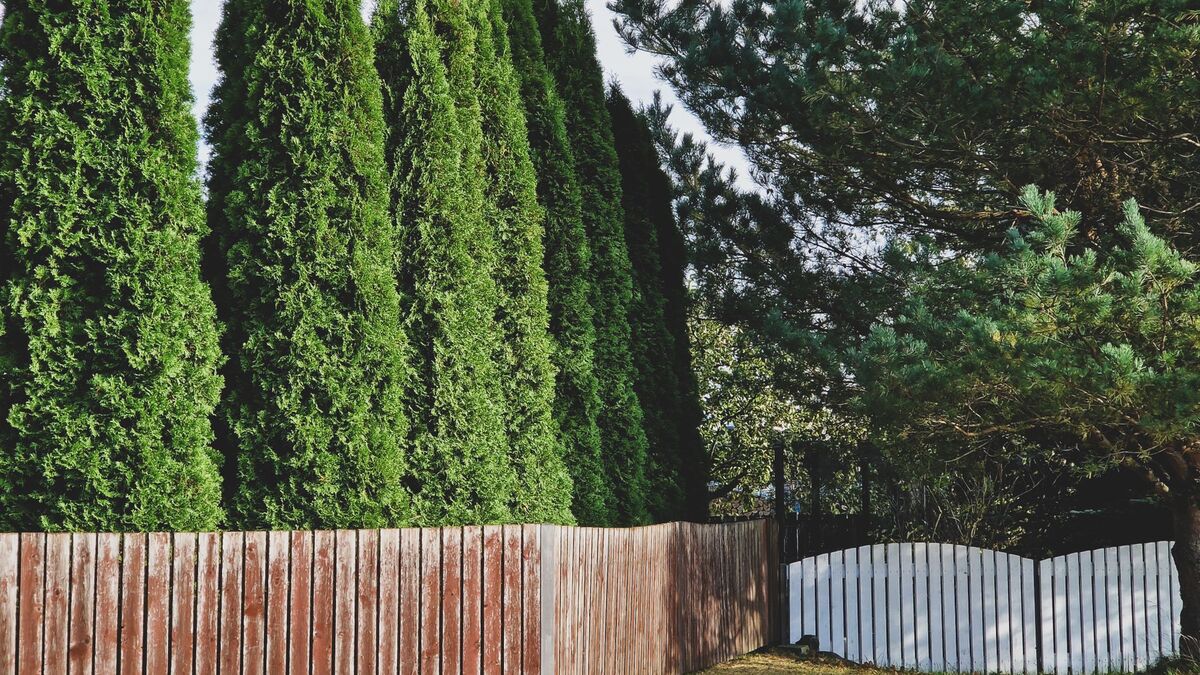
Cedar or pressure-treated pine for a Northeast Ohio yard
Most wood fences sold around Cuyahoga County come down to two species. Western red cedar is full of its own oils that fend off rot and boring insects, holds its shape better while drying and is lighter in the hand, which makes long privacy sections easier on the posts. It also costs more, and the softer wood dents if a mower or a snow shovel catches it.
Southern yellow pine that has been pressure-treated is the budget workhorse. Chemicals forced into the fibers do the job that oils do in cedar. Treated pine is harder and stronger, but it arrives wet, shrinks noticeably over its first season and is more prone to cupping, twisting and checking as it dries. Many homeowners split the difference: treated posts and rails for strength where the wood meets soil, cedar boards on the face where looks and stability matter most.
What the ground-contact label on treated lumber actually means
Not all green lumber at the yard is equal. Treated stock is sorted by the amount of preservative driven into it, and a small end label on every board spells out where that board is meant to go. Boards meant for decks and fence pickets above the soil carry a lighter retention. Posts going into the ground need the heavier ground-contact grade, and some suppliers sell a still heavier grade meant for structural posts in constant moisture.
This matters more here than in most places. Northeast Ohio clay holds water against a post for weeks after a thaw, and that is exactly where rot starts. Ask the contractor which tag is on the posts, and make sure any cut ends on posts and rails get a brush-on preservative, because the treatment does not always reach the core of a thick timber.
Privacy styles and how each one handles weather
Privacy fences make up the bulk of wood work in the region. Each style trades material, airflow and appearance differently.
- Stockade: boards set tight against each other in a single layer, usually finished with dog-eared or spear-shaped tops. The most economical full-privacy option, but gaps open as the wood shrinks.
- Board-on-board: two layers of boards with the outer row covering the gaps in the inner one. Gaps never show even as boards dry, at the cost of more lumber and more weight on each post.
- Shadowbox: boards alternate on each side of the rails with spacing between them. Both faces look finished, light and some breeze pass through, and it reads as a good-neighbor design.
- Horizontal: boards run sideways between posts, usually with a small reveal. A modern look that suits mid-century and newer houses, though long horizontal boards need closer post spacing to avoid sagging.
- Lattice or slatted top: a solid lower section with an open topper. It softens a tall fence and lets some wind through near the top, where pressure is greatest.
Picket and split-rail fences for front yards and open lots
Not every wood fence is about blocking a view. A painted or stained picket fence suits the older colonials and bungalows found throughout the inner-ring suburbs, marking a front yard without closing it off. Picket sections are light, they shrug off wind, and they are where front-yard height rules usually come into play, so check with the city for the address before settling on a design.
Split rail is the other open option, common on larger lots toward the outer suburbs and along wooded edges. Rough-split rails slot into mortised posts with no nails, which makes the fence easy to take apart and adjust. Adding welded wire mesh on the inside turns it into a workable dog fence. For an open style that needs almost no maintenance, the aluminum fence page covers the metal alternative.
Caps, trim and the small details that keep water out
Water does most of its damage at end grain, the exposed tops of posts and boards that soak up moisture like a straw. A post cap, whether a simple flat board or a beveled or copper-topped version, sheds rain and snowmelt away from the top of each post. A top rail or cap board laid across the boards does the same for a privacy run and stiffens the whole fence against wind.
Leave a gap of a couple of inches between the bottom of the boards and the soil, or add a separate rot board along the base that can be swapped out when it fails. Boards buried in mulch or snow-packed soil will rot from the bottom first, every time.
How big the posts should be and how far apart on a privacy run
A solid privacy fence acts like a sail, and the posts take all of that load. Four-by-four posts are common for shorter runs and picket styles, but six-foot privacy sections in an exposed yard are better served by six-by-six posts or by four-by-fours set closer together. Gate posts deserve the heaviest stock on the job, a topic covered on the fence gates page.
Post spacing on wood privacy fences usually lands somewhere between six and eight feet. Wider bays use less material but let rails sag and give wind more leverage. How deep the posts go is set by frost: the hole has to reach below the depth a hard Northeast Ohio winter drives into the ground, and the local building department sets the required figure. Setting methods and hole work are covered on the fence installation page.
Wind load off Lake Erie and why it shapes the design
Yards closer to the lakeshore and open lots on the west side see sustained gusts that push hard against a closed fence. A solid six-foot run of board-on-board can catch an enormous amount of force across one bay, and the weakest point is usually a post that has started to rot or was set too shallow.
Shadowbox and slatted styles let air move through. A lattice topper reduces solid area where wind is strongest. Heavier posts, closer spacing and a third rail on taller fences all stiffen the structure. On a corner lot or a hilltop that takes weather head on, it can make sense to step down to a semi-private style rather than fight the wind with a solid wall.
Fasteners, hardware and corrosion with treated lumber
The preservative in today's treated wood relies on copper, which attacks plain steel hardware. Plain bright nails or cheap electro-plated screws can corrode and snap within a few seasons, leaving boards that pop loose in the first strong storm. The fix is to specify hot-dip galvanized or stainless steel fasteners for every board, rail and bracket.
Ring-shank nails grip far better than smooth ones as wood swells and shrinks. Exterior screws hold even better and make later repairs easier, since a single board can be backed out without damaging its neighbors. Cedar also contains natural acids that stain around low-grade fasteners, leaving black streaks down the face. Stainless is the cleanest choice on cedar, especially when the fence will get a clear or light-colored finish.
A realistic staining and sealing cycle
Bare wood left to the weather turns silver within a season or two, then begins to check and split. A penetrating stain slows that by blocking sunlight and limiting how much water the fibers absorb. The routine below fits most Cleveland yards.
- Let new treated pine dry before the first coat. Splash a little water on a board; when it sits on the surface in droplets, the lumber is still too wet to stain. Cedar is typically ready earlier.
- Wash the boards first, using a product made for wood or a low-pressure rinse, to lift mill glaze, grime and mildew. Avoid aggressive pressure washing, which raises fibers and gouges soft cedar.
- Apply a penetrating oil-based or water-based semi-transparent stain, working top to bottom and back-brushing so it soaks into the grain rather than sitting on top.
- Pay extra attention to the bottom edges and post tops, where moisture sits longest.
- Plan to recoat the sunny side every two to three years and the shaded side when it starts to look dull. Solid stains last longer but eventually peel and need more prep.
How wood fences fail here and what slows the decline
Wood rarely fails all at once. It wears in a predictable order, and most of it can be delayed with choices made at the start.
- Post rot at the soil line, where damp clay meets air. Ground-contact posts, gravel at the base and crowning any concrete collar to shed water all help.
- Boards cupping and splitting as they dry and refreeze. Quality lumber, proper fasteners and a regular stain coat reduce movement.
- Mildew and moss on the shaded north face, worsened by snow piled against the boards. Trimming shrubs back and clearing heavy drifts lets the wood dry.
- Loose boards as fasteners corrode. Correct hardware from day one prevents most of it.
- Rails sagging between wide post spacing. Tighter bays and a center support block stop it.
What drives the cost of a wood fence
No two wood fences price out the same, which is why the contractor sets a figure only after walking the property. Species is the first lever: cedar boards cost more than treated pine, and premium clear grades cost more again. Style comes next, because board-on-board and shadowbox designs use considerably more lumber than stockade. Height, total footage, the number of gates, post size, decorative caps, slope and whether an old fence has to come out all add up. Rocky or root-heavy digging and tight access along narrow inner-ring lots take more labor.
Ask any proposal to name the species and grade for posts, rails and boards separately, the fastener type, the post size and spacing, and whether staining is included. That detail makes two quotes comparable. Wood work is available across the region, including Parma and the other communities across the county, and you can start on the contact page.
Wood fences in Cleveland — common questions
Does cedar pay for itself compared with treated pine in an Ohio yard?
It depends on how long you plan to stay and how much you care about appearance. Cedar stays flatter, looks better stained and weighs less, so posts carry less load. Treated pine is stronger and cheaper, and it is the better choice for posts that sit in wet clay. A common middle path uses treated posts and rails with cedar boards on the face. If you expect to sell within a few years, pine with good stain often makes more sense.
How long should a new pressure-treated fence dry before staining?
Treated pine usually arrives saturated from the treatment process, and stain applied too early cannot soak in. Drying time varies with weather and sun exposure, so test rather than count days. Flick a few drops of water on the boards. If the water soaks in within a few minutes, the wood is ready. If it beads up and sits there, wait longer. A fence built in late fall may not be ready until the following spring.
Why did my new wood fence turn gray so quickly?
Sunlight attacks lignin, the compound that binds the outermost wood fibers together, and each rain rinses the loosened fibers off, leaving a silver-gray layer on cedar and pine alike. Left alone, that weathered surface eventually checks and lets more water in. A wood brightener can restore much of the original color, and a pigmented stain applied afterward slows the graying for the next few years.
Can a wood privacy fence be built on metal posts?
Yes. Galvanized steel posts with brackets that accept wood rails are a real option, and they will not rot at the ground line, which is the most common failure point in wet clay. The trade-off is appearance and flexibility: steel posts are often hidden behind boards or wrapped in wood trim, and attaching gates takes the right hardware. For homeowners tired of replacing rotted posts every decade or so, steel posts with wood boards are worth asking about.
Do horizontal wood fences hold up in strong wind?
They can, but the design has to account for it. Horizontal boards span between posts, so the posts take the full load and longer spans flex more. Closer post spacing, thicker boards, a center stiffener in each bay and a small gap between boards to let air through all help. On a very exposed lot, a horizontal slatted design with a wider reveal handles gusts better than a tight, fully solid horizontal wall.
Should the stain on a wood fence be oil-based or water-based?
Both work. Oil-based penetrating stains soak deeply into rough or older wood and tend to wear gradually rather than peel, which makes recoating simple. Water-based products dry faster, clean up with soap and have improved a great deal, though some form more of a surface film. The bigger decision is transparency: clear sealers wear out fastest, semi-transparent stains balance grain and protection, and solid stains last longest but behave more like paint.
Is a wood fence a good choice for a dog that digs or chews?
It can work well with a few adjustments. A bottom rot board or a strip of buried wire mesh along the base discourages digging out. Board-on-board leaves no gaps for a nose to pry at. Chewers tend to target corners and gate edges, so metal trim or a smooth cap there helps. Avoid leaving decorative gaps near the ground, and keep the treated lumber stain-coated, since a finished surface is less inviting to chew.
Talk through your site
Start with the address, what you want done, and a few photographs of the area, including anywhere water sits after a heavy rain.
Related work
Fence Installation
New fences on Northeast Ohio clay, set below the frost line, with permits, gates and grade handled.
Fence Repair
Lake-wind damage, heaved posts, rotted rails and gates that drag, and when to stop patching.
Vinyl Fences
Vinyl privacy and picket fences, the grades that resist cold cracking and how to judge them.
Aluminum Fences
Ornamental aluminum for pools, front yards and older homes where an open look fits.
Fence Gates
Walk gates, double drive gates and sliding gates, framing, hinges, latches and keeping them square.
Across the metro
Lakewood
Dense older housing with narrow lots, shared driveways and strong winds off the lake.
Parma
Postwar bungalows and ranches on regular lots with dogs, pools and tired original fences.
Strongsville
Southwest suburb with larger lots, subdivision rules and heavy clay that holds water.
Westlake
West-side suburb with newer homes, association standards and lake-effect snow.