Vinyl fence in Cleveland, chosen for cold snaps, lake wind and years of sun
Vinyl appeals to Cleveland homeowners who are done with staining. It never needs paint, it shrugs off the damp that rots wood, and a good panel looks much the same after many winters as it did on day one. The catch is that vinyl varies enormously from one manufacturer to the next, and the weak grades show their flaws fastest in exactly this climate: brittle rails that shatter in January, panels that bow in July and white that yellows toward cream. This page explains what separates a durable vinyl system from a cheap one, how cold and sun affect it, which styles fit which yards and how to clean and repair it. To get a vinyl project priced, reach out with the address.
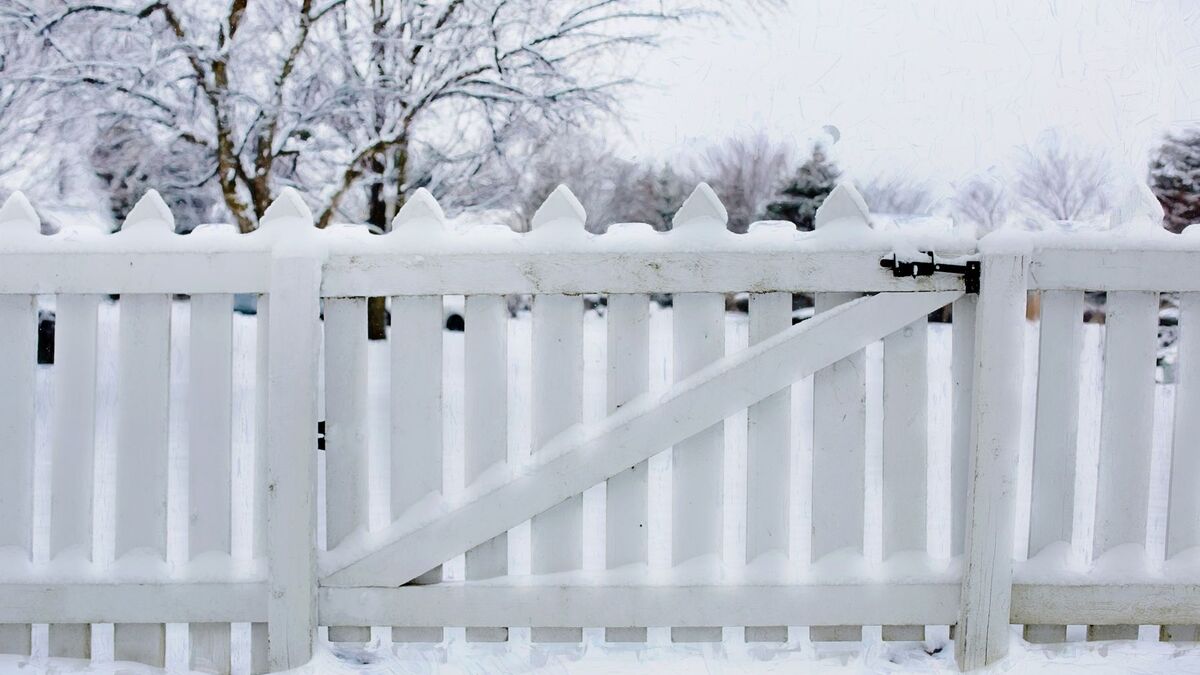
What goes into a vinyl fence profile
Fence vinyl starts as polyvinyl chloride compound that an extruder forces through shaped tooling to form hollow profiles. Left untreated, that resin turns stiff and degrades under sunlight, which is why makers mix additives into the batch. The most important is titanium dioxide, a UV screen that protects the resin and holds a white profile at its original shade. Impact modifiers give the material enough toughness to absorb a knock instead of cracking. Stabilizers and pigments round out the recipe.
Many profiles are co-extruded, meaning a weather-resistant outer layer fused over a different inner core. That approach is not a problem on its own, but on budget products the inner layer can be filled with recycled or lower-grade compound. The outside looks identical in a showroom. The difference shows up after a few seasons of sun and frost, which is why the formula matters more than the brochure photo.
Wall thickness and why heft tells you something
The second variable is how thick the walls of each hollow piece are. Thicker walls resist denting, flex less in wind and stand up better to a stray ball or a snowblower that throws a chunk of ice. Two rails can look the same from across the yard and differ noticeably in wall thickness.
A simple field test helps. Pick up a rail sample from each brand you are considering. A heavier piece of the same length usually means more material. Squeeze the sides of a post near the top; quality stock barely yields. Look at a cut end and compare how thick the wall appears. Reputable suppliers publish their wall specifications and will tell you which product line a contractor is quoting, so ask for that by name.
Signs of a low-grade vinyl fence
Cheap vinyl is usually sold on a low up-front figure. These are the tells that show up in the material itself or within the first few years.
- Thin, flexible pickets that bend easily by hand or rattle in a breeze.
- Rails that sag between posts, especially on wider panels, because no metal stiffener sits inside the bottom rail.
- A glossy, slightly plastic sheen instead of a matte or satin finish.
- Visible seams, rough cut ends or mold lines along the profile edges.
- Posts that wobble at the cap because the internal wall is too thin to hold its shape.
- Chalky residue that rubs off on your hand, a sign the UV package is failing.
- Yellowing or uneven color between panels that were installed at the same time.
Cold-weather brittleness and impact in a Snow Belt winter
PVC gets stiffer as temperatures drop. In a deep freeze, a vinyl rail that would simply flex in summer can crack if it takes a sharp blow. Around Greater Cleveland that blow often comes from snow removal: a plow windrow shoved against the fence line, a shovel swung into a picket, a snowblower chute aimed the wrong way or ice sliding off a garage roof.
Good impact modifiers are what keep a premium grade from shattering under those hits. Homeowners can help as well. Leave a buffer between the driveway and any fence run if there is room, mark the line with stakes before the first storm so plow drivers can see it, and avoid piling heavy wet snow directly against the panels. A cracked rail is fixable, but a fence that keeps cracking every winter usually points to a low-grade product.
UV exposure, fading and color choices
White is the most stable vinyl color because it reflects sunlight and the titanium dioxide does its job well. Almond, tan, clay and gray hold up reasonably on quality lines but can fade gradually, especially on the south and west faces that see the most afternoon sun.
Darker colors and wood-grain looks are popular and tend to use a different approach, such as a cap layer engineered to resist heat or a printed or textured surface. Dark vinyl absorbs more heat, so it expands more and needs a manufacturer that designed the system for it. Before choosing a deep color, ask how that product line has held up in sunny exposures and what the maker says about fading. Textured surfaces also hide minor scuffs better than smooth gloss.
Routed posts, rail locks and panel systems
Most residential vinyl fences go together as a system rather than board by board. The posts are routed, meaning rectangular holes are cut through them where rails slide in. Rails pass into those holes and are held by a locking tab, a screw or a rail lock clip, which keeps panels from pulling apart in wind while still allowing movement as the material warms and cools.
Privacy panels typically use tongue-and-groove boards that slide into channels in the top and bottom rails. Picket styles push pickets through routed rails. Because everything is cut to the system's dimensions, panel widths are fixed, and that affects layout. Odd-length sections are cut down on site, and each cut takes care to keep the rail lengths matched. Mixing parts from different brands rarely works, so stick with one product line from post to cap.
Aluminum reinforcement in gates and long rails
Hollow vinyl alone is not stiff enough for every job. On a better privacy system, a metal stiffener rides inside the lower rail, which stops the boards above from bending it down over time. Long spans and taller panels may need a stiffener in the top rail as well. If a quote does not mention reinforcement, ask whether it is included.
Gates are where reinforcement matters most. A vinyl gate needs an aluminum frame inside the profiles, and the hinge post usually gets a steel or aluminum insert, sometimes filled with concrete, so it can carry the swinging load without leaning. Gate hardware choices, widths and hinge-post footings are covered in depth on the fence gates page.
Expansion and contraction across Ohio seasons
Vinyl grows and shrinks with temperature far more than wood or aluminum does, and Northeast Ohio swings from humid summer heat to bitter January cold. A properly built fence allows for that movement. Rails sit in routed holes with a little room at each end, screws through rails are placed so they do not pin the material too tightly, and caps are glued only where the maker specifies.
When that allowance is missing, the symptoms are easy to spot. Panels buckle or wave in summer heat, rails pop out of posts in winter when they shrink, and pickets crack around tight fasteners. Proper post spacing, dictated by the panel system rather than chosen freely, is part of the same picture. Setting the posts themselves, including depth below the frost line set by the local building department, belongs to the fence installation process.
Vinyl fence styles that suit local homes
Vinyl comes in nearly every style that wood does, with a cleaner, more uniform finish.
- Solid privacy: tongue-and-groove boards with no gaps, the most common backyard choice for screening neighbors and containing dogs.
- Privacy with lattice or a decorative topper: solid lower boards with an open band above, which lightens the look and lets a bit of wind through.
- Semi-privacy: alternating or spaced boards that block most of the view but not all of the breeze, useful on windy or exposed lots.
- Picket: classic front-yard style with straight, scalloped or arched tops, often in white to match trim on older colonials.
- Post and rail: two or three horizontal rails for marking a property line or a garden edge, sometimes with mesh added for pets.
- Wood-grain textured panels: vinyl made to resemble stained boards, a middle ground for homeowners who like the look of wood.
Cleaning vinyl without damaging it
Vinyl does not rot, but it does collect dirt, pollen and green mildew, particularly on the shaded side and near sprinklers. Washing it once or twice a year restores the original shine.
- Rinse the fence with a garden hose to loosen surface dirt.
- Mix a mild solution of dish soap and warm water, or a cleaner made for vinyl siding.
- Start low and move upward with a sponge or gentle brush, which stops dirty drips from streaking panels that are still dry.
- For mildew, a diluted oxygen bleach or a vinegar solution usually works; test a small spot first.
- Rinse thoroughly from top to bottom before the solution dries.
- Skip abrasive pads, solvent cleaners and high-pressure nozzles held close, which can scratch the surface or force water into the profiles.
Repairability, cost drivers and what to ask for
One advantage of a vinyl system is that damaged parts are usually replaceable individually. A cracked rail can be swapped by releasing the rail lock and sliding in a new one, and a broken picket or board slides out of its channel. That only works if replacement parts are still available, so note the brand and product line and keep any spare pieces. Diagnosing a fence that has shifted, leaned or broken in a storm is handled on the fence repair page.
Price depends on the grade, the style, the height, total footage, the number and width of gates, reinforcement, color and how much old fence has to come out first. Slopes, tight access along narrow lots and rocky digging add labor. A good proposal names the manufacturer, product line, panel height and width, whether rails are reinforced and how gates are framed. Vinyl projects are available throughout Westlake and the rest of the areas served, and the contractor prices the work after seeing the yard.
Vinyl fence in Cleveland — common questions
Will a vinyl fence break in a Cleveland deep freeze?
Breakage happens, though nearly always from a hit rather than from low temperature by itself. PVC stiffens as it gets colder, so a blow that would leave a summer fence unharmed may crack a rail in January. Premium grades contain impact modifiers that greatly reduce the risk, while thin, low-grade products are far more vulnerable. Keeping snow piles and plow paths off the fence line prevents most winter breakage in Cleveland yards.
Is vinyl fence worth it compared to wood in Northeast Ohio?
For homeowners who want low maintenance, often yes. Vinyl usually costs more to install than treated pine, but it never needs stain or paint and will not rot in wet clay. Over a long ownership period, the savings on refinishing can close much of the gap. Wood still wins on easy custom work and natural appearance. The wood fence page covers that side of the comparison in detail.
What removes green growth from white vinyl fence panels?
Begin gently, with warm soapy water and a soft-bristle brush. If green streaks remain, a diluted oxygen bleach or white vinegar solution usually lifts them. Let it sit for a few minutes without drying, scrub gently and rinse thoroughly. Avoid harsh solvents and abrasive scrubbers. Cutting back shrubs and redirecting sprinklers so the fence dries faster after rain helps keep the growth from coming back.
Is painting vinyl fencing a good way to change its color?
Coatings made for PVC do exist, yet painting a vinyl fence usually causes more trouble than it solves. Dark paint on a light fence absorbs extra heat, and the material may warp or bow because it was not made for those temperatures. Once painted, the fence loses its main selling point, since the coating will need redoing every few years. If color matters, choosing a factory-colored or textured product from the start is the more durable route.
Can one damaged vinyl fence panel be replaced by itself?
Usually, yes, as long as matching parts can be found. Rails and boards in most systems slide out once the rail locks or screws are released, so a single panel can come out without disturbing its neighbors. Finding the same brand, profile and color is the hard part, especially on older fences, since color can shift with age. Saving the product details at installation makes later repairs much easier.
What makes the lower rail of a vinyl privacy panel droop?
Sag in the lower rail almost always means it lacks an internal aluminum stiffener, or the stiffener was undersized for the panel width. The boards rest on that rail, so their weight slowly bows it downward, especially in summer heat when vinyl softens. In many cases a reinforcement channel can be added by removing the panel boards, inserting the metal and reassembling. A fence with sagging rails everywhere may simply be a low-grade product.
Will a vinyl privacy fence hold up to strong wind off the lake?
A well-built one handles normal gusts fine, but solid vinyl panels catch a lot of wind and the posts carry that load. Reinforced posts at ends and corners, proper footings below frost and a system rated for the panel height all matter. On the most exposed lots, a semi-privacy or lattice-top style lets air pass through and reduces strain. Sections that rattle or flex visibly are worth having checked before a big storm.
Talk through your site
Start with the address, what you want done, and a few photographs of the area, including anywhere water sits after a heavy rain.
Related work
Fence Installation
New fences on Northeast Ohio clay, set below the frost line, with permits, gates and grade handled.
Fence Repair
Lake-wind damage, heaved posts, rotted rails and gates that drag, and when to stop patching.
Wood Fences
Cedar and treated pine privacy and picket styles and how wood lasts in wet, snowy winters.
Aluminum Fences
Ornamental aluminum for pools, front yards and older homes where an open look fits.
Fence Gates
Walk gates, double drive gates and sliding gates, framing, hinges, latches and keeping them square.
Across the metro
Lakewood
Dense older housing with narrow lots, shared driveways and strong winds off the lake.
Parma
Postwar bungalows and ranches on regular lots with dogs, pools and tired original fences.
Strongsville
Southwest suburb with larger lots, subdivision rules and heavy clay that holds water.
Westlake
West-side suburb with newer homes, association standards and lake-effect snow.